Top Tips for Selecting Sustainable Kids T-Shirts
Selecting the right t-shirts for children is more than just picking cute designs. It involves considering quality, comfort, durability, and sustainability. As global clothing brands and businesses, focusing on sustainable kids t-shirts is essential to meet growing consumer demand for ethical and eco-friendly apparel. This guide offers practical tips to help you source and produce high-quality kids t-shirts that align with these values.
Why Choose Sustainable Kids T-Shirts?
Sustainability in kids' clothing is not just a trend; it is a responsibility. Sustainable kids t-shirts reduce environmental impact by using organic materials, minimizing waste, and ensuring ethical manufacturing processes. Choosing sustainable fabrics like organic cotton or bamboo helps reduce pesticide use and water consumption. Additionally, sustainable production supports fair wages and safe working conditions.
When sourcing sustainable kids t-shirts, look for certifications such as GOTS (Global Organic Textile Standard) or OEKO-TEX. These certifications guarantee that the fabric and production meet strict environmental and social criteria. Prioritising these standards helps build trust with your customers and strengthens your brand reputation.
Actionable tip: Request detailed information from suppliers about their sustainability practices and certifications. This transparency ensures you select partners committed to ethical production.

Key Factors to Consider When Selecting Kids T-Shirts
When selecting kids t-shirts, several factors influence the final product's success. These include fabric quality, fit, durability, and design. Each factor plays a role in ensuring the t-shirts meet both business and consumer expectations.
Fabric Quality: Choose soft, breathable fabrics that are gentle on children's skin. Organic cotton is a popular choice due to its softness and sustainability. Avoid synthetic materials that may cause irritation or discomfort.
Fit and Comfort: Kids grow quickly, so t-shirts should have a comfortable fit with some room for movement. Consider offering a range of sizes and styles to accommodate different body types.
Durability: Children are active, so t-shirts must withstand frequent washing and rough play. Reinforced stitching and high-quality fabric help maintain the garment's shape and appearance.
Design and Colour: Simple, timeless designs often appeal to parents looking for versatile clothing. Use non-toxic dyes and printing methods to ensure safety and environmental friendliness.
Actionable tip: Conduct wear tests with sample t-shirts to evaluate comfort and durability before placing large orders.
What Are Cool Kids Wearing Now?
Understanding current trends helps you stay relevant in the market. Today’s kids prefer t-shirts that combine style with functionality. Popular trends include:
Minimalist Prints: Simple graphics or slogans that are easy to mix and match.
Nature-Inspired Themes: Designs featuring animals, plants, or outdoor motifs.
Gender-Neutral Styles: Unisex colours and cuts that appeal to a broad audience.
Customisable Options: T-shirts that allow personalisation, such as patches or badges.
Incorporating these trends into your sustainable kids t-shirts collection can increase appeal and sales. However, always balance trendiness with timelessness to avoid fast fashion pitfalls.

How to Source High-Quality Kids T-Shirts from Bangladesh
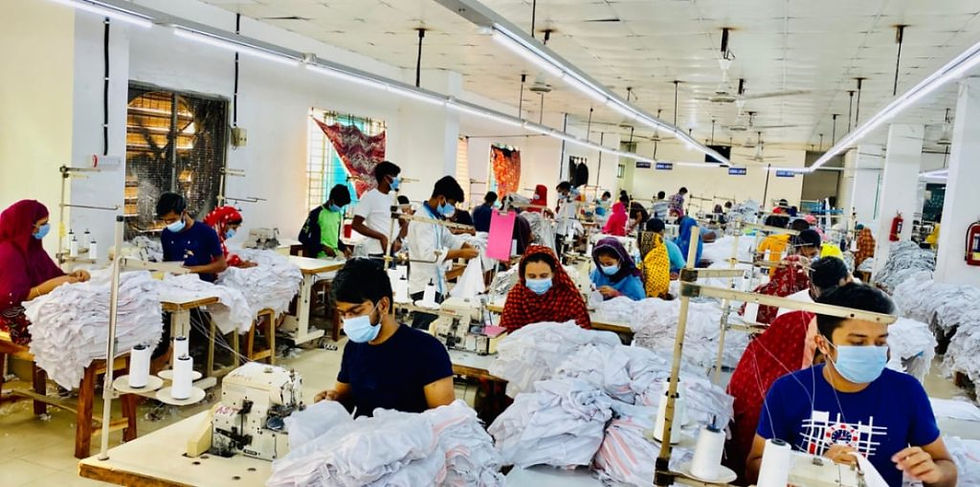
Bangladesh is a leading hub for apparel manufacturing, known for its skilled workforce and competitive pricing. When sourcing kids t-shirts from Bangladesh, focus on suppliers who prioritise ethical standards and sustainability.
Verify Certifications: Ensure suppliers hold certifications like GOTS or Fair Trade.
Assess Production Capacity: Confirm they can meet your order volume and delivery timelines.
Request Samples: Evaluate fabric quality, stitching, and print durability.
Check Compliance: Verify adherence to labour laws and environmental regulations.
Partnering with a reliable sourcing agent or company can simplify this process. They can manage supplier vetting, quality control, and logistics, ensuring your orders meet expectations.
Actionable tip: Establish clear communication channels and regular quality checks to maintain product standards.
Practical Tips for Marketing Sustainable Kids T-Shirts
Marketing sustainable kids t-shirts requires clear messaging and education. Highlight the benefits of sustainability, such as reduced environmental impact and ethical production. Use simple language and visuals to explain why your products stand out.
Use Storytelling: Share the journey of your t-shirts from raw materials to finished product.
Leverage Social Media: Showcase behind-the-scenes content and customer testimonials.
Offer Incentives: Provide discounts or loyalty programs for repeat customers.
Collaborate with Influencers: Partner with eco-conscious parenting bloggers or organisations.
Educating your audience builds trust and encourages informed purchasing decisions. Transparency about your sourcing and manufacturing processes strengthens brand loyalty.
Actionable tip: Create content that addresses common questions about sustainable kids t-shirts to support your marketing efforts.
Final Thoughts on Selecting Sustainable Kids T-Shirts
Selecting sustainable kids t-shirts involves careful consideration of materials, production ethics, and market trends. By prioritising quality and sustainability, you can offer products that meet consumer expectations and contribute positively to the environment. Partnering with trusted suppliers in Bangladesh and maintaining transparent communication ensures timely delivery and ethical standards.
Remember to stay informed about evolving trends and certifications to keep your offerings relevant and responsible. With these tips, you can confidently source and market kids t-shirts that align with your business goals and global sustainability efforts.
For more information on sourcing options, explore kids t shirts to find sustainable and high-quality apparel solutions.
Comments