Bangladesh Denim Products Quality, Styles and Global Appeal
Bangladesh has become a serious denim supplier because it can make good jeans at scale. The country has mills, garment factories, washing plants and skilled workers close to each other. That matters. Denim is not a simple fabric. It needs the right yarn, weave, fit, wash and finish.
For global buyers, Bangladesh offers more than low-cost production. It offers range. Basic five-pocket jeans. Stretch denim. Workwear jackets. Fashion washes. Kids’ styles. Modest cuts. Private-label collections. The result is a strong supply base for brands that need reliable denim in large and repeatable orders.

Bangladesh has a complete denim supply chain
A strong denim industry needs more than sewing lines. It needs fabric mills, dyeing, laundry, trims, testing and export handling. Bangladesh has built strength across each part.
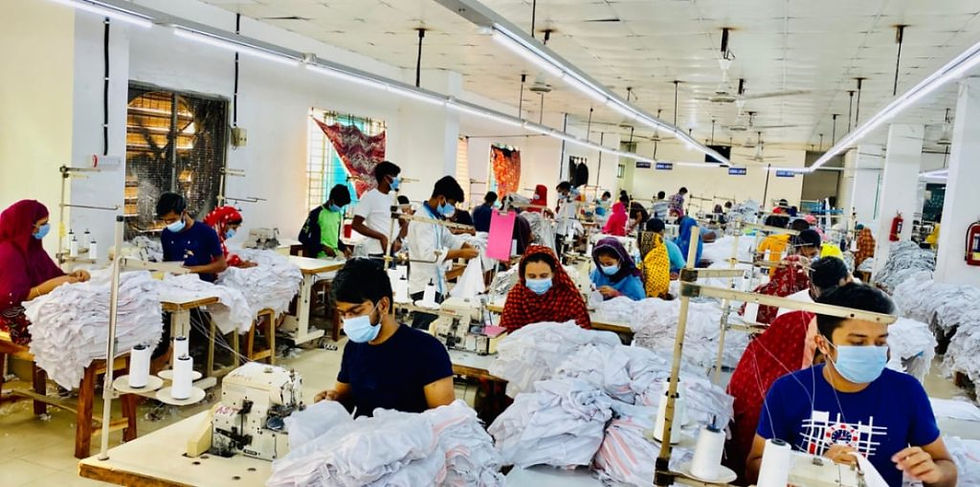
Many producers work with both local and imported cotton yarn. Mills weave denim in different weights, shades and constructions. Factories then cut and sew garments for men, women and children. Washing units add the final look and hand feel.
This connected setup helps reduce delays. Fabric can move from mill to garment line without long shipping gaps. Wash trials can happen close to production. Fit samples can be adjusted faster. That gives buyers more control over time, quality and cost.
A Denim product from Bangladesh can move through a clear process:
Fabric sourcing and weaving
Pattern making and sampling
Cutting and sewing
Washing or garment dyeing
Finishing and pressing
Inspection, packing and export
The system also suits private-label production. A buyer can bring a tech pack, size chart, trim details and wash reference. The factory can then make a sample, improve fit and prepare bulk production.
Bangladesh also benefits from long experience in ready-made garments. Denim is more demanding than plain knitwear or basic woven shirts, but the country’s garment base gives it a strong labour and production foundation.
Quality depends on fabric, fit and finishing
Good denim starts with fabric. Buyers usually look at weight, fibre mix, stretch recovery, colour depth and shrinkage. A heavy non-stretch denim can suit workwear and rigid fashion jeans. A lighter stretch fabric can suit skinny, slim or comfort-fit styles.
Denim weights often vary by use:
Denim type | Common use | Key quality concern |
Lightweight denim | Shirts, dresses, summer jeans | Soft hand feel and drape |
Midweight denim | Everyday jeans and jackets | Balance of comfort and strength |
Heavyweight denim | Workwear and rigid jeans | Durability and shape retention |
Stretch denim | Skinny and comfort fits | Recovery after wear and washing |
Sewing quality is just as important. Denim has thick seams. Poor sewing can cause broken stitches, twisted legs or bulky pockets. Good factories control needle choice, thread strength, seam allowance and pressing.
Fit also decides quality. A pair of jeans can use strong fabric and still fail if the rise, thigh, knee or inseam sits wrong. Skilled pattern teams check the garment on a mannequin or fit model before bulk production. They adjust small details that make a big difference.
Finishing is the last major test. Washing changes colour, softness and size. Enzyme wash, stone wash, rinse wash, bleach effect and whiskering all need care. Too much abrasion weakens the fabric. Too little finishing can leave the garment stiff or flat.
Strong producers use inspection at several points:
Fabric checking before cutting
In-line inspection during sewing
Measurement checks after washing
Needle detection where required
Final audit before packing
A quality denim order is not only about passing one final inspection. It is about controlling risk from the first fabric roll to the packed carton.

Styles now go far beyond basic jeans
Bangladesh still produces large volumes of classic denim jeans. Yet the product range has become wider. Buyers can source simple basics and trend-led styles from the same market.
Common denim styles include:
Straight-leg jeans
Slim-fit jeans
Skinny jeans
Relaxed and loose-fit jeans
Wide-leg jeans
Denim jackets
Denim shirts
Denim skirts
Overalls and dungarees
Cargo denim
Jogger-style denim
Kids’ denim wear
The country’s factories also handle many design details. These include contrast stitching, raw hems, patch pockets, coin pockets, rivets, branded buttons, embroidery, panel work and distressed effects.
Fits have changed across global markets. Loose and straight cuts have gained ground after years of tight stretch denim. Wide-leg jeans and relaxed silhouettes now appear in both fashion and everyday collections. Bangladesh can support these shifts because many factories already serve different segments.
Wash development is a major part of style. One base fabric can create many looks. A dark rinse suits clean retail basics. A mid-blue wash fits everyday wear. A faded vintage look suits fashion lines. Black denim can be washed down to grey or kept sharp for a cleaner finish.
There is also steady demand for modest and practical styles. Longer shirts, looser jeans, overshirts and easy jackets fit many markets. Workwear-inspired denim has also stayed popular because it feels durable and familiar.
For brands, this range matters. A supplier that can produce a basic five-pocket jean, a cropped jacket and a soft denim shirt gives buyers more room to build a full collection.
Sustainability and compliance shape buyer decisions
Denim has a heavy environmental history. Indigo dyeing, washing, water use and chemical management have all drawn concern. Buyers now ask harder questions. Bangladesh suppliers know this.
Not every factory works at the same level. Buyers must still check each supplier. Yet many denim producers in Bangladesh have invested in cleaner production methods. These may include water-saving washing systems, chemical controls, effluent treatment and better energy use.
Common areas of focus include:
Reduced water use in washing
Safer chemical handling
Effluent treatment before discharge
Better control of sandblasting alternatives
Use of recycled fibres where suitable
Responsible cotton sourcing
Worker safety and building standards
Certifications can also help. Buyers may ask about standards such as OEKO-TEX, GOTS, Global Recycled Standard or BCI-related sourcing. These standards do not apply to every order. They depend on the product, fabric and supply chain. Still, they give buyers a clearer way to assess risk.
Compliance is not only environmental. It also includes workplace safety, wage rules, working hours, fire systems and subcontracting control. Strong buyers check audit records and visit facilities where possible.
Good denim sourcing is not only about the lowest FOB price. It is about repeat quality, clear production control and a supplier that can meet social and environmental requirements.
This is where Bangladesh has pushed forward. The garment sector has faced pressure from international buyers and regulators. Many export-focused factories now treat compliance as a core part of the business, not an optional extra.

Why global buyers choose Bangladeshi denim
The global appeal of Bangladeshi denim comes from a mix of cost, capacity and skill. Large retailers need factories that can handle big orders. Smaller brands need flexible partners that can sample quickly and solve problems. Bangladesh can serve both, depending on the factory.
Key reasons buyers choose the country include:
Competitive production costs
Bangladesh remains cost-competitive for garment manufacturing. That helps brands hit target retail prices, especially in value and mid-market segments.
Strong export experience
Factories already understand international documentation, packing rules, shipment windows and buyer manuals. That reduces friction.
Large production capacity
Many facilities can handle repeat orders and high-volume basics. This is useful for core denim lines that run season after season.
Growing technical skill
Denim needs pattern control, wash knowledge and sewing strength. The better suppliers have teams that understand each step.
Range across price points
Bangladesh can make everyday denim, fashion denim and higher-spec products. The final price depends on fabric, trims, wash, order size and compliance needs.
A single Denim product can look simple on a shop rack. Behind it sits a chain of decisions. Fabric weight. Stretch. Thread. Pocket shape. Wash loss. Measurement tolerance. Carton packing. Buyers value suppliers that manage those details without constant correction.
Global sourcing also rewards reliability. Late denim orders cause real problems because jeans often sit at the centre of a full retail range. Jackets, tops and accessories may be planned around them. If denim is delayed, the whole collection can suffer. Suppliers that ship on time win repeat business.
What buyers should check before placing an order
Bangladesh has strong denim suppliers, but factory choice still matters. A buyer should not treat all suppliers as equal. The best result comes from clear checks before production starts.
Start with the product type. A factory that is strong in basic jeans may not be the best match for complex jackets. A supplier that makes stretch skinny jeans may not suit heavy rigid workwear. Match the factory to the style.
Ask for recent product samples. Look at seam strength, pocket placement, wash consistency, shape after washing and overall finish. Check whether the sample reflects bulk production ability or only a special showroom piece.
Review fabric options in detail. Ask for composition, weight, shrinkage performance, colour fastness and stretch recovery where relevant. If the garment needs certification, confirm the fabric and trims can support it.
Clarify wash standards early. Denim wash approval can take time. Share a clear reference sample, shade band and acceptable tolerance. Written approval helps avoid arguments later.
Check the factory’s compliance status. Ask about audit history, safety systems, chemical management and whether the order will stay in the approved facility. Uncontrolled subcontracting can create serious risk.
Plan lead times with room for sampling. Denim often needs multiple trials. A rushed wash approval can cause colour mismatch, garment shrinkage or fabric damage.
A practical order checklist should include:
Tech pack with clear measurements
Approved fit sample
Approved fabric swatch
Approved wash standard
Trim card
Packing instructions
Inspection plan
Delivery schedule
Compliance documents
Clear communication saves money. It cuts rework, missed approvals and shipment pressure.

FAQ
Are Bangladesh denim products good quality?
Yes, many Bangladesh denim products meet international quality standards. Quality depends on the specific factory, fabric, wash process and inspection system. Buyers should review samples, test reports and compliance records before ordering.
What denim styles can Bangladesh produce?
Factories produce jeans, jackets, shirts, skirts, overalls and kids’ denim. Common fits include straight, slim, skinny, relaxed, wide-leg and cargo styles. Many suppliers also offer different washes and finishes.
Is Bangladesh suitable for sustainable denim sourcing?
It can be. Some suppliers use water-saving washing, safer chemicals, effluent treatment and certified materials. Buyers should verify each claim through documents, audits and product-level certification.
Why do international brands source denim from Bangladesh?
They choose Bangladesh for competitive pricing, large production capacity, export experience and a broad supplier base. The country can support both basic denim and more detailed fashion products.
What should a buyer check first?
Check whether the factory has experience with the exact product type. Then review fabric quality, wash capability, fit samples, compliance status and delivery capacity.
The takeaway
Bangladesh has earned its place in global denim sourcing. The country combines scale, skill and a wide product range. It can produce basic jeans, fashion denim, workwear styles and private-label collections for many markets.
The best results come from choosing the right supplier and giving clear specifications. Fabric, fit, wash and compliance all matter. When those parts are handled well, Bangladesh denim delivers strong value and broad global appeal.
Comments